


$19.53
10-10-10 Premium All Purpose Plant Food 5lb
Give your garden dependable, balanced nutrition with this premium 10-10-10 all purpose plant food. Specially formulated for vegetable gardens, this blend supports strong root development, vigorous plant growth, and productive harvests across a wide variety of crops.
With 50% slow-release nitrogen, this formula feeds plants steadily for up to 3 months, helping maintain consistent growth while reducing the risk of fertilizer burn. The inclusion of essential micronutrients ensures plants receive the trace elements needed for healthy development and improved performance.
Designed with low chlorine (low salt), this gentle yet effective formula is safe for regular use in garden beds and around sensitive plants.
Key Benefits:
-
Balanced 10-10-10 nutrition for all-purpose use
-
Ideal for vegetable gardens and mixed plantings
-
50% slow-release nitrogen for extended feeding
-
Feeds for up to 3 months
-
Includes essential micronutrients
-
Low chlorine (low salt) formula
-
Convenient 5 lb bag
A reliable choice for gardeners who want healthy plants, strong yields, and season-long performance.
Additional information
| Weight | 5 lbs |
|---|---|
| Dimensions | 12 × 10 × 6 in |
Other Products of Interest
Showing 1–12 of 20 results
-
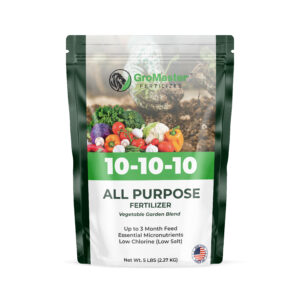
10-10-10 Premium All Purpose Plant Food 5lb
Give your garden dependable, balanced nutrition with this premium 10-10-10 all purpose plant food. Specially formulated for vegetable gardens, this blend supports strong root development, vigorous plant growth, and productive harvests across a wide variety of crops. With 50% slow-release nitrogen, this formula feeds plants steadily for up to 3 months, helping maintain consistent growth while reducing... $19.53Add to cart -
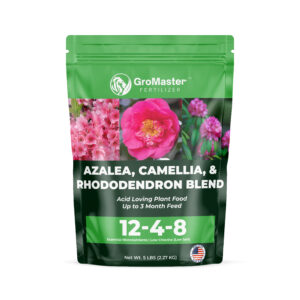
12-4-8 Azalea, Camellia & Rhododendron 5lb
Give your azaleas, camellias, rhododendrons, and other acid-loving plants the targeted nutrition they need to thrive. This premium 12-4-8 formula delivers a balanced blend of nutrients designed to promote vibrant blooms, rich green foliage, and strong root development. Featuring 50% slow-release nitrogen, this plant food provides steady, consistent feeding for up to 3 months, helping reduce the... $19.46Add to cart -
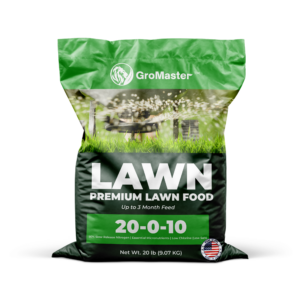
20-0-10 Premium Lawn Food 20lb
Keep your lawn looking thick, green, and healthy with this premium 20-0-10 lawn fertilizer. The nitrogen-rich formula is designed to promote vigorous turf growth, improved color, and stronger root development for a lawn that stands out all season long. Featuring 50% slow-release nitrogen, this lawn food provides consistent feeding for up to 3 months, helping maintain steady... $49.99 Read more -

3-Way Max Turf & Ornamental Broadleaf Herbicide
1 Quart (32OZ) $26.67Add to cart -
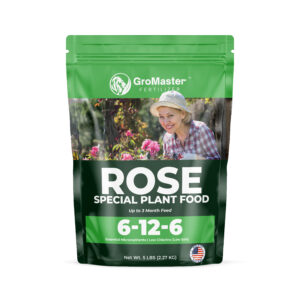
6-12-6 Rose Special Plant Food 5lb
Help your roses reach their full blooming potential with this specially formulated 6-12-6 rose plant food. Designed to encourage strong roots, lush foliage, and abundant blooms, this balanced formula provides the targeted nutrition roses need to thrive throughout the growing season. With 50% slow-release nitrogen, this fertilizer feeds gradually for up to 3 months, supporting steady growth... $18.41Add to cart -
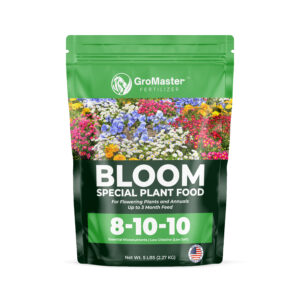
8-10-10 Bloom Special Plant Food 5lb
Encourage bigger, brighter blooms with this premium 8-10-10 bloom booster, specially formulated for flowering plants and annuals. This balanced blend supports strong root development and abundant flower production, helping your garden deliver vibrant color all season long. With 50% slow-release nitrogen, this formula provides consistent nutrition for up to 3 months, promoting steady, healthy growth while reducing... $19.43Add to cart -
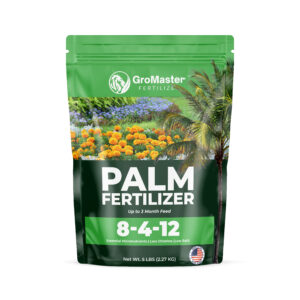
8-4-12-4Mg Palm Fertilizer 5lb
Keep your palms lush, green, and thriving with this premium palm-specific fertilizer. The 8-4-12 + 4Mg formula is carefully balanced to support strong root systems, vibrant fronds, and overall palm health in landscape and tropical settings. With 50% slow-release nitrogen, this plant food delivers steady nutrition for up to 3 months, helping maintain consistent growth while reducing... $19.50Add to cart -
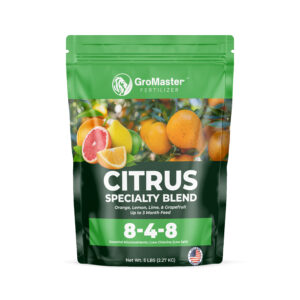
8-4-8 Citrus Specialty Blend 5lb
Give your citrus trees the targeted nutrition they need with this premium 8-4-8 Citrus Specialty Blend. Formulated for oranges, lemons, limes, and grapefruit, this balanced fertilizer supports healthy foliage, strong root systems, and abundant fruit production. With 50% slow-release nitrogen, this formula provides steady feeding for up to 3 months, helping maintain consistent growth while reducing the... $19.26Add to cart -

Agrisel Agrifac Pro
1 Quart (32 oz) – 100% Active Liquid Super Surfactant and Spreader Sticker $19.99Add to cart -

Atrazine St. Augustine Weed Killer
1 Quart (32 oz) $20.67Add to cart -

Bifen 7.9F Select Termiticide/Insecticide
128 Oz $42.00Add to cart -

Extinguish Plus
1.5 lbs $24.67Add to cart
Reviews
There are no reviews yet.